Loading...
Please wait while we prepare the content
Loading...
Please wait while we prepare the content
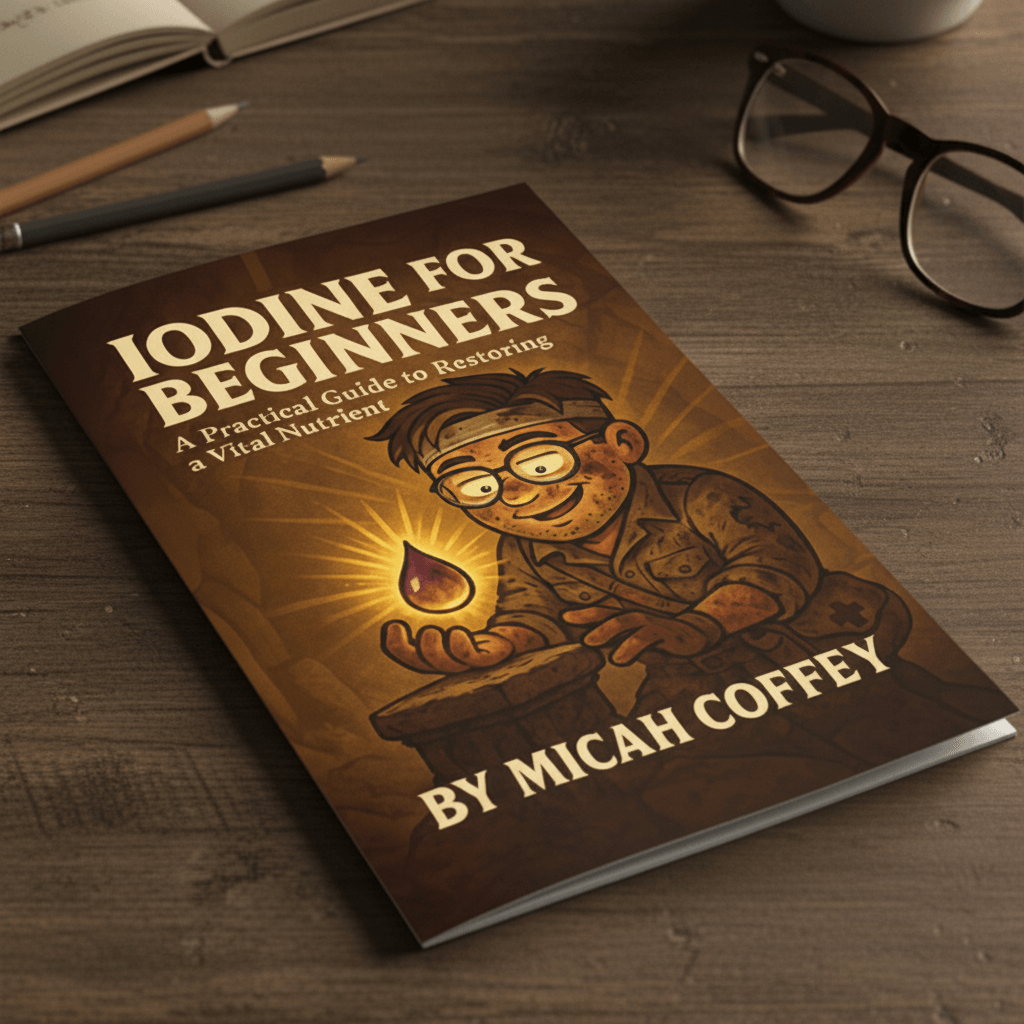
Free eBook
Everything covered on this site, condensed into a short, free book. How deficiency happens, what detox looks like, and how to start restoring what our bodies have been missing.
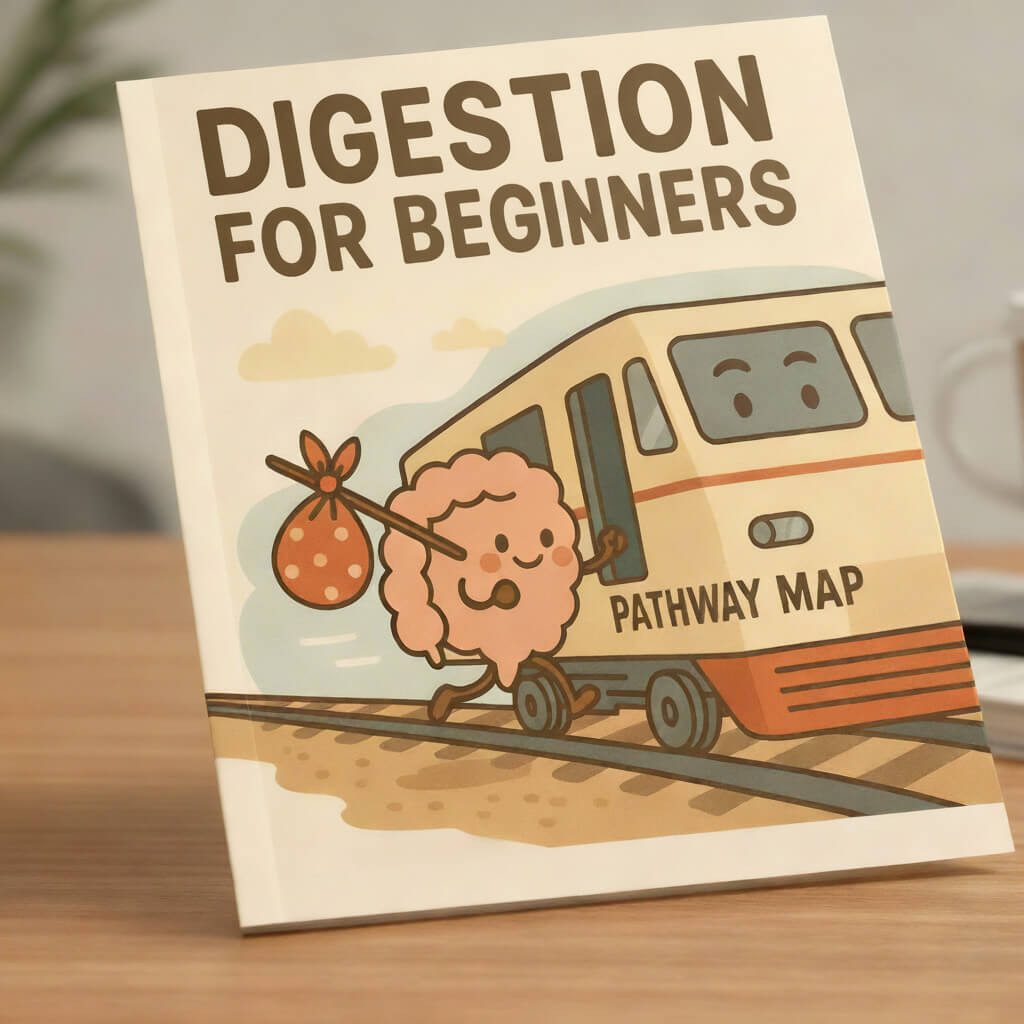
Free eBook
A comprehensive guide to rebuilding digestion through Whole30, bile flow, and circadian alignment.
The mainstream says avoid iodine with Hashimoto's. Researchers like Dr. Brownstein found the opposite. Here's the nuance.
Read the full articleMost endocrinologists advise people with Hashimoto's thyroiditis to avoid iodine supplementation, fearing it will worsen the autoimmune attack on the thyroid. This advice is based on studies showing that high iodine intake in iodine-deficient populations initially increased thyroid antibodies.
But this view misses critical context: the role of selenium, the difference between isolated iodine and the full protocol, and the underlying bromine toxicity that may be driving the autoimmune response in the first place.
Dr. Brownstein has treated thousands of patients with Hashimoto's using iodine as part of the complete protocol. The key difference: selenium supplementation alongside iodine. Selenium protects the thyroid from oxidative damage during iodine utilization, and studies show it can significantly reduce TPO antibodies.
“When we start iodine, TSH often goes up. Not because our thyroid is failing, but because our body is trying to reboot decades of dysfunction.”
Research shows that selenium supplementation alone can reduce thyroid antibodies in Hashimoto's patients. When combined with iodine in the full protocol, many people report improvement rather than worsening. Never take iodine without selenium with Hashimoto's.
Some researchers suggest that the autoimmune response may be partially driven by bromine occupying iodine receptor sites in the thyroid. The body may be attacking tissue that has incorporated toxins in place of proper nutrients.
Research has found that 79% of adults had oxalate crystals in their thyroid glands. Scientists theorize oxalates may trigger the inflammatory autoimmune response causing tissue destruction. Histamine issues also frequently co-occur with thyroid dysfunction, potentially reflecting adaptation to prolonged toxic environmental exposure.
Hashimoto's is the most common thyroid condition in America, affecting at least 14 million people. Hypothyroidism affects up to 5% of the global population (approximately 400 million people), with an estimated 5% more undiagnosed. Iodine deficiency is the most common cause of worldwide thyroid disorders.
“When we start iodine, TSH often goes up. Not because our thyroid is failing, but because our body is trying to reboot decades of dysfunction.”
For those with Hashimoto's considering iodine, start with supporting nutrients and go very slowly.