Loading...
Please wait while we prepare the content
Loading...
Please wait while we prepare the content
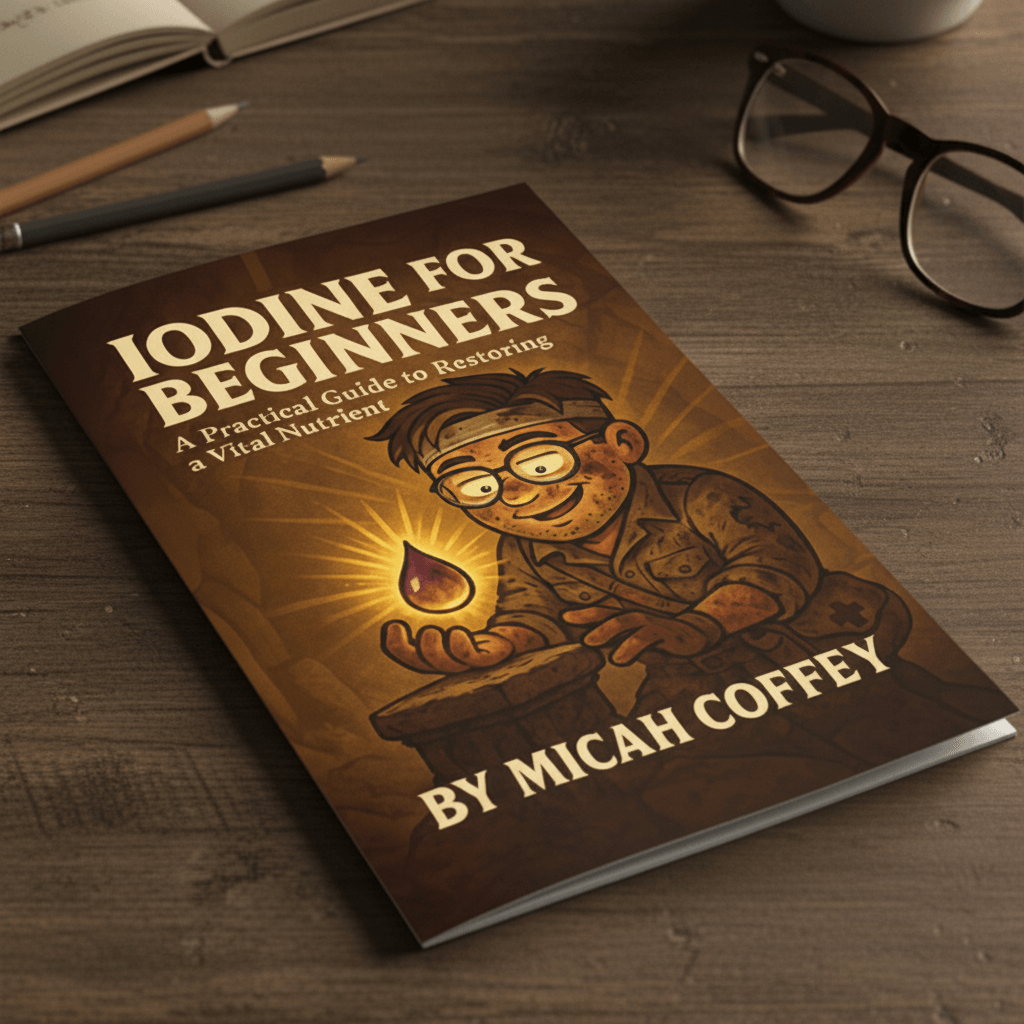
Free eBook
Everything covered on this site — condensed into a short, free book. How deficiency happens, what detox looks like, and how to start restoring what our bodies have been missing.
Hair loss can be a sign of iodine deficiency, thyroid dysfunction, or detox. Understanding the cause determines the solution.
Hair follicles are among the most metabolically active cells in the body. They cycle through phases of active growth (anagen), transition (catagen), and rest (telogen). Thyroid hormones directly regulate this cycle — when thyroid function drops, follicles are pushed prematurely into the resting phase and hair thins or falls out.
This happens because the body triages resources during hypothyroidism. Hair is not essential for survival, so it is deprioritized in favor of critical organs. The result is diffuse thinning across the scalp rather than patchy bald spots, and the classic sign of thinning or absent outer third of the eyebrows.
Selenium deficiency can also cause hair loss, as can bromine toxicity and zinc deficiency. All of these are addressed within the iodine protocol and its supporting nutrients.
“Detox symptoms are proof that the body is responding. And that’s the first step toward rebuilding.”
Hair health depends on more than just iodine. Several nutrients work together to maintain healthy follicle cycles, and a deficiency in any one of them can contribute to shedding.
Supports thyroid hormone production, which directly regulates the hair growth cycle. Low iodine means low thyroid output and slowed follicle activity.
Essential for converting T4 to active T3 thyroid hormone. Also protects follicles from oxidative damage. Iodine supplementation increases selenium demand.
Involved in hair tissue growth and repair. Zinc deficiency is associated with telogen effluvium — the diffuse shedding pattern common in thyroid dysfunction.
Low ferritin (stored iron) is one of the most common causes of hair loss in women, and often coexists with thyroid issues.
Some people experience temporary hair shedding when starting iodine. This can be alarming, but it is often a sign that the body is detoxifying and resetting. As stored toxins are mobilized, hair follicles may shed damaged hairs before regrowing healthier ones.
This type of shedding is called telogen effluvium — a temporary condition where a larger-than-normal number of follicles enter the resting phase simultaneously. It can be triggered by any significant change in the body: starting a new supplement, hormonal shifts, detox reactions, or even stress.
The shedding typically peaks a few weeks into supplementation and resolves as the body adjusts. If it persists beyond 2-3 months or worsens significantly, it may indicate that supporting nutrients — especially selenium — need to be adjusted.
If hair loss increases during iodine supplementation, it may indicate a need for more selenium. Iodine increases the body's selenium demand significantly. The protocol calls for 200-400mcg of selenomethionine daily. Without adequate selenium, iodine can create oxidative stress in the thyroid that worsens hair loss.
Hair operates on a slow cycle. Even after the underlying cause is resolved, visible improvement takes time because hair grows approximately half an inch per month. A follicle that was pushed into the resting phase needs to complete that phase before re-entering active growth.
Most people in the iodine community report noticeable improvement in hair texture and thickness within 3-6 months of consistent supplementation with proper supporting nutrients. Eyebrow regrowth — particularly the outer third — is often one of the earlier and most visible signs of thyroid recovery.
Month 1-2: Possible increased shedding
The body is adjusting to new nutrient levels and may be actively detoxing. Telogen effluvium is most common during this window. This is typically the hardest phase emotionally.
Month 2-3: Shedding stabilizes
As the body adjusts, the rate of shedding should slow to normal levels. New growth may be starting at the follicle but is not yet visible.
Month 3-4: New growth appears
Short new hairs — sometimes called "baby hairs" — may become visible around the hairline and part. Hair texture may start to improve.
Month 4-6: Visible improvement
Overall thickness and quality begin to noticeably improve. Eyebrows may start filling in. The new growth gains length and blends with existing hair.
Many people in the iodine community report that after an initial adjustment period, hair quality and thickness improve significantly. Eyebrows (especially the outer third — a classic hypothyroid sign) often fill back in. Nails frequently improve alongside hair, becoming stronger and less brittle.
Some report that their hair grows in with a different texture than before — sometimes wavier or thicker than it was prior to the thyroid issues. This likely reflects improved follicle health and hormone levels rather than a fundamental change in hair type.
Patience is essential. The temptation to quit during early shedding is strong, but those who stay consistent with the protocol and supporting nutrients overwhelmingly report positive outcomes over time.
“Baths are more than self-care fluff. They’re an underrated detox tool that helps open up one of the largest elimination channels we have: our skin.”
Hair health reflects thyroid health. Supporting the thyroid supports everything downstream.